How to Choose the Right Dumpster Size for Your Project
Updated Jun 2026
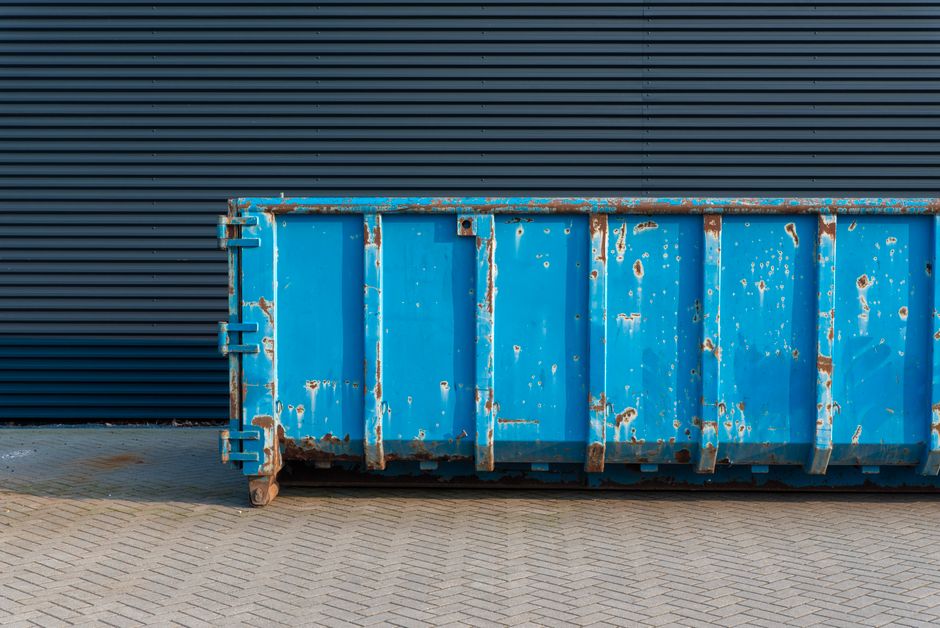
Photo by Jan van der Wolf on Pexels (Pexels License)
Choosing the right dumpster size is the single decision that most affects how smoothly your project runs. Rent a bin that's too small and you'll need a second pickup; rent one that's too large and you pay for space you never use. The good news is that matching a roll off dumpster rental to your project is mostly common sense once you understand how sizes are measured and what each one typically handles.
How dumpster sizes are measured
Roll off dumpsters are measured in cubic yards, which describes the container's volume rather than its footprint. A larger number means more capacity, but it also usually means a longer and taller container that needs more clear space for delivery. Most rental companies offer a small range — commonly spanning compact bins for light jobs up to large containers built for construction debris. Because providers describe their sizes a little differently, always ask what a given size can realistically hold for your type of waste.
Match the size to the project, not the pile
It helps to think in terms of project type rather than guessing at the size of your debris pile:
- Single-room or small cleanouts. A small roll off is usually enough for clearing one room, a garage, or a modest amount of yard waste.
- Remodels and mid-size renovations. A medium container handles flooring, drywall, cabinetry, and the mixed debris a kitchen or bathroom remodel produces.
- Whole-home renovations and construction. Larger containers suit full renovations, additions, roofing tear-offs, and ongoing construction sites where debris accumulates over weeks.
If your project sits between two sizes, describe it to the provider. An experienced hauler asks the right questions and recommends a size that gives you a margin without overspending.
Weight matters as much as volume
Volume tells you how much will fit; weight tells you what you'll actually be allowed to load. Every roll off rental includes a weight allowance, and heavy materials — concrete, brick, tile, soil, and shingles — reach that limit long before the bin looks full. If your debris is dense, ask whether the company offers a dedicated heavy-debris container or a different weight package. This one conversation prevents the most common surprise on the final invoice.
Think about placement and access
The right size also depends on where the dumpster will sit. Measure the space on your driveway or job site and account for the clearance a truck needs to drop off and pick up the container. Low branches, gates, tight corners, and sloped driveways can all limit which size fits. Sharing a photo or description of the drop-off spot helps the provider confirm the container will actually fit before delivery day.
When in doubt, size up a little
If you're genuinely torn between two sizes, modestly sizing up is often the safer bet. A second pickup for an undersized bin usually costs more time and money than the difference between sizes, and renovation projects tend to uncover more debris than expected once the work begins. That said, don't jump to the largest container by default — an oversized bin is harder to place and pays for capacity you may never use.
Questions to ask before you book
Before confirming a roll off dumpster rental, run through a short checklist with the provider:
- What can this size realistically hold for my type of debris?
- What's the weight allowance, and what happens if I exceed it?
- Are there materials you won't accept in this container?
- How much clearance do you need to deliver and pick up?
- What's the rental period, and can I extend it if the project runs long?
Getting clear answers up front turns a guessing game into a confident decision. Match the size to your project, respect the weight limit, confirm the bin fits your space, and you'll have the right container waiting when the work begins — without paying for room you don't need or scrambling for a second haul.